Meghalaya Government Hub

The Meghalaya Government Hub supports residents of Meghalaya and their democracy by bringing together information, experts, organizations, policy makers, and the public to facilitate greater engagement in central, state, and local politics and more civil, positive discussions and collaborations on important issues and governance.

Meghalaya Government Hub is one of many state government hubs being launched next year by the nonpartisan, nonprofit onAir Networks.  Other state hubs will be discoverable in the future at the national India Government Hub.

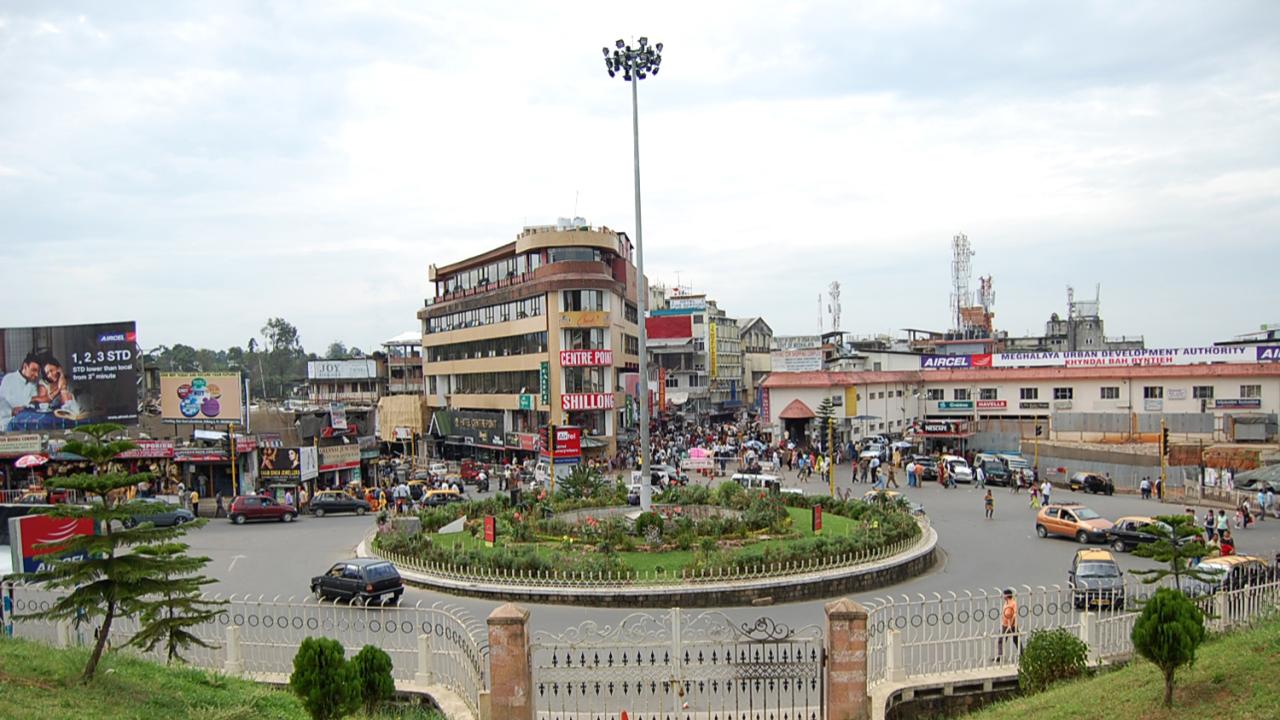
Meghalaya is a state in northeast India. Meghalaya was formed on 21 January 1972 by carving out two districts from the state of Assam: (a) the United Khasi Hills and Jaintia Hills and (b) the Garo Hills.The population of Meghalaya as of 2014 is estimated to be 3,211,474. Meghalaya covers an area of approximately 22,429 square kilometres, with a length-to-breadth ratio of about 3:1. The capital of Meghalaya is Shillong.

OnAir Post: Meghalaya Government Hub
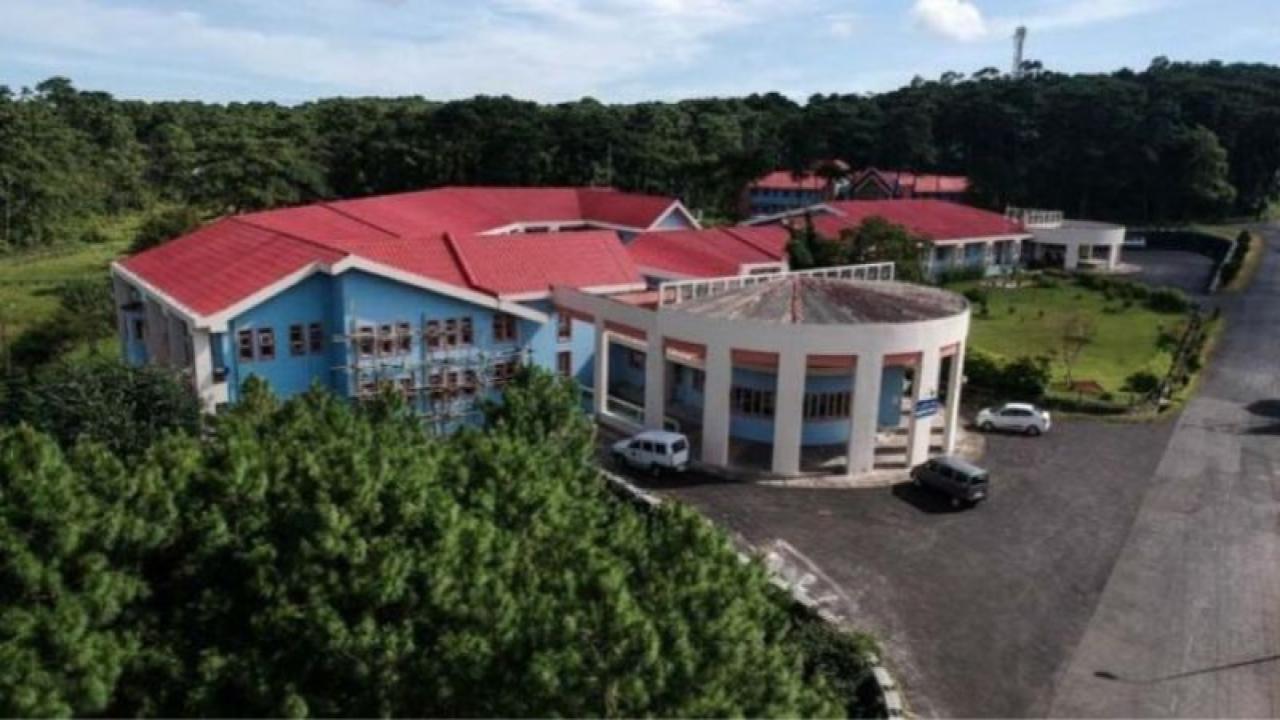
North-Eastern Hill University

North-Eastern Hill University (NEHU) is a Central University established on 19 July 1973 by an Act of the Indian Parliament. The university is in the suburb of Shillong, the state capital of Meghalaya, India. The university has two campuses: Shillong and Tura both are in Meghalaya. The first pro-vice chancellor was Early Rising Singha

It is the University Grants Commission’s University with Potential for Excellence (conferred in 2006). It was established as a regional university for the states of northeast India, including Meghalaya, Nagaland, Arunachal Pradesh and Mizoram, and had given birth to Nagaland University in 1994 and Mizoram University in 2001.

OnAir Post: North-Eastern Hill University

Conrad Sangma

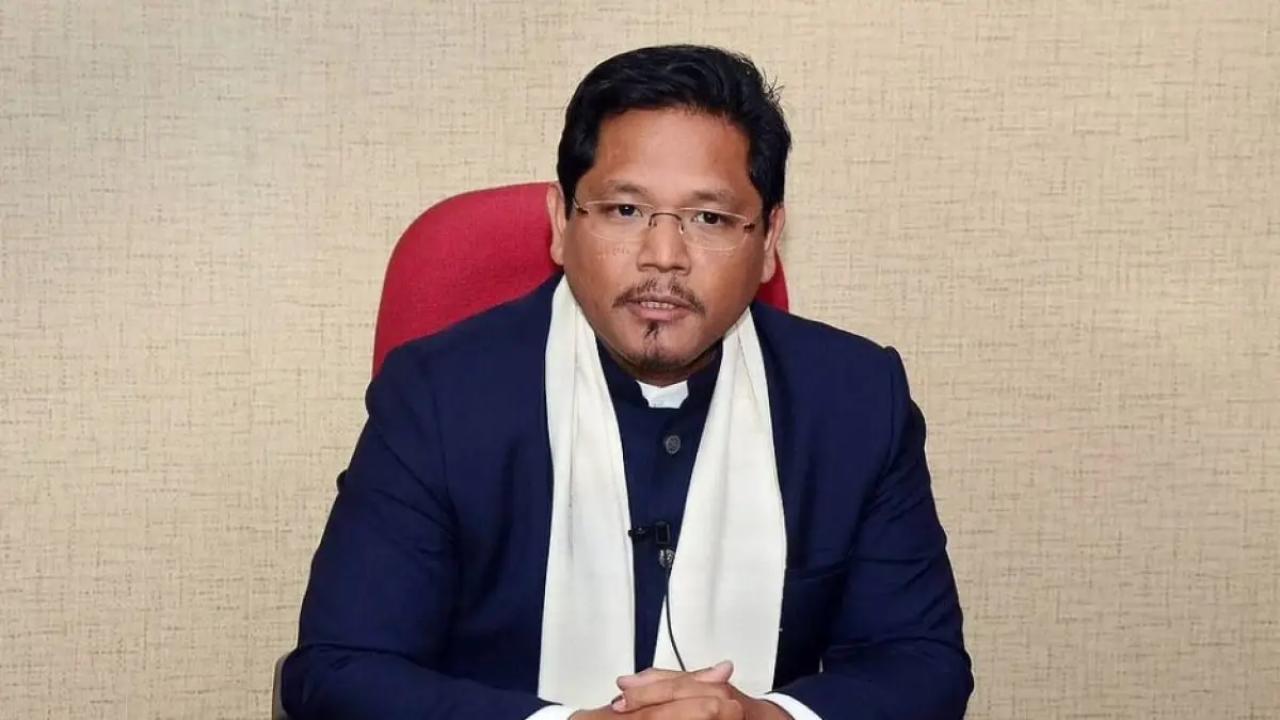
Conrad Kongkal Sangma (born 27 January 1978) is an Indian politician who is the 12th and current Chief Minister of Meghalaya since 2018. He is a member of National People’s Party. His father was former Chief Minister, former Speaker of the Lok Sabha P. A. Sangma. He was also the Member of Parliament from Tura (2016–2018). He represents the South Tura constituency since 2018 and selsella constituency from 2008 to 2013. Sangma was also minister of finance,power and tourism, Government of Meghalaya from 2008 to 2009. He is former leader of the opposition in the Meghalaya Legislative Assembly. He also served as National President of Nationalist Youth Congress.

OnAir Post: Conrad Sangma

Meghalaya Legislative Assembly

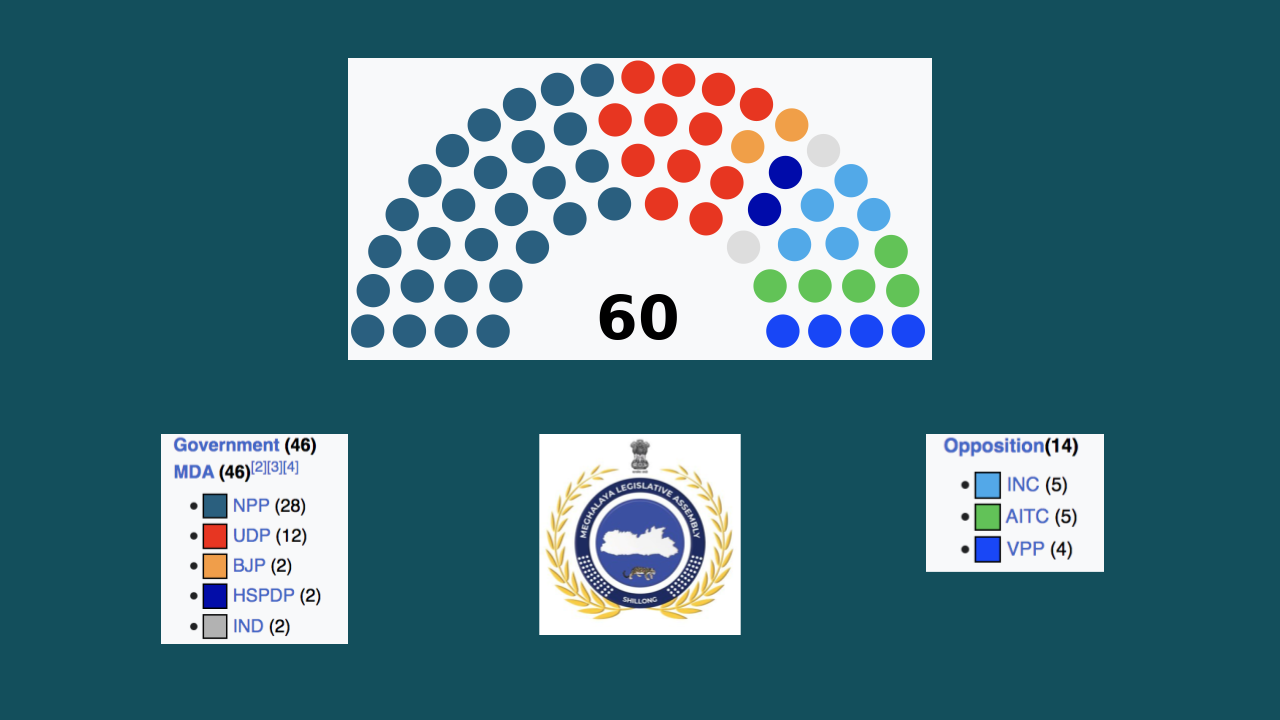
The Meghalaya Legislative Assembly is the unicameral legislature of the Indian state of Meghalaya.

Constituted as a directly elected body in 1972, it has 60 members, filled through direct elections held every five years. Like other Indian states, Meghalaya has a parliamentary system of government. The executive branch of the Meghalaya Government is derived from the Legislative Assembly.

OnAir Post: Meghalaya Legislative Assembly

About Meghalaya

The state is bound to the south by the Bangladeshi divisions of Mymensingh and Sylhet, to the west by the Bangladeshi division of Rangpur, and to the north and east by India’s State of Assam. During the British rule of India, the British imperial authorities nicknamed it the “Scotland of the East”. English is the official language of Meghalaya. Unlike many Indian states, Meghalaya has historically followed a matrilineal system where the lineage and inheritance are traced through women; the youngest daughter inherits all wealth and she also takes care of her parents.

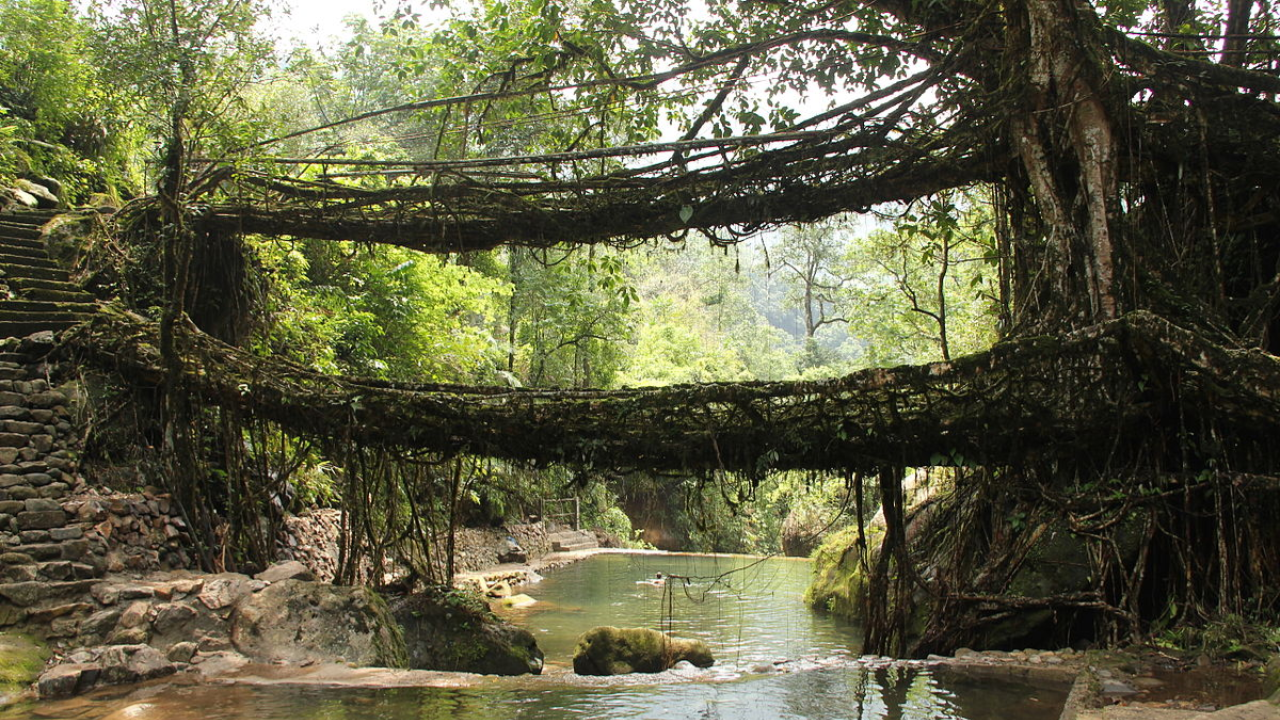
The state is the wettest region of India, with the wettest areas in the southern Khasi Hills recording an average of 12,000 mm (470 in) of rain a year. About 70 per cent of the state is forested. The Meghalaya subtropical forests ecoregion encompasses the state; its mountain forests are distinct from the lowland tropical forests to the north and south. The forests are notable for their biodiversity of mammals, birds, and plants.

OnAir Post: About Meghalaya

Skip to toolbar